Practice Areas
Six areas of practice and expertise
What each area covers, and who the work serves, in the Ugandan and East African context.
Contents
- 01Policy development and analysis
- 02Wealth and estate planning and management
- 03Property and real estate litigation and advisories
- 04Agricultural production and regulatory advisories
- 05Community mobilisation and engagement
- 06Investment advisories especially in Agri-business, Alternative Dispute Resolution and Investment disputes
01
Policy development and analysis
This work is concerned with how public policy is made and what it does once it is in force. It covers reading a proposed law, regulation, budget or strategy closely enough to say how it will operate in practice; preparing the evidence and written submissions that support a position; and advising organisations that need to engage government departments, Parliament or local government on a policy question.
Rama has worked on national policy in Uganda for more than a decade. At Oxfam in Uganda he served as National Policy and Advocacy Coordinator and later as Governance and Accountability Thematic Manager, leading the development of the land governance subprogramme and creating the organisation's extractives programme segment. At the Civil Society Budget Advocacy Group he coordinated civil society engagement in Uganda's Article IV consultations with the International Monetary Fund, represented the organisation at IMF and World Bank meetings in Washington, and led capacity-building for government officials in gender and equity budgeting.
He has contributed research on whistle-blower protection and on the state of access to information in East and Central Africa for the African Freedom of Information Centre, and to Oxfam Uganda's report on land and agrarian inequality, Who is Growing.
Who this serves
Government departments and local governments; non-governmental and civil society organisations; development partners and programme funders; and private bodies whose plans depend on how a policy or regulation is finally written.
02
Wealth and estate planning and management
Estate planning is the work of recording, in advance and in proper legal form, what is to happen to a person's property, business interests and obligations. It covers the drafting of wills and trusts; family settlements and succession arrangements; the structuring and holding of family assets and businesses; and the administration of an estate after death, including applications for probate or letters of administration and the distribution of property among beneficiaries.
In Uganda a great deal of family wealth is held in land, in family-run businesses and in customary arrangements that have never been written down. Where nothing is recorded, families are commonly left to resolve competing claims in court, years after the person who could have settled the question is gone. This work is directed at putting arrangements on a clear legal footing while the person concerned is able to give instructions. Where an estate is already contested, it extends to advising and representing families, executors and administrators through the dispute.
Who this serves
Individuals and families planning the transfer of land, property and business interests; executors, administrators and trustees carrying out their duties; and beneficiaries who need advice on what they are entitled to and how to obtain it.
03
Property and real estate litigation and advisories
This covers land and property from both directions: advice before a transaction, and representation once a dispute has arisen. Advisory work includes due diligence on titles and tenure, sale and lease agreements, landlord and tenant arrangements, mortgages and charges, and the property elements of development and investment projects. Litigation includes claims concerning ownership, boundaries, trespass, fraudulent transfer, eviction and compensation.
Uganda's land system runs on four forms of tenure: mailo, freehold, leasehold and customary. The same piece of ground can carry more than one interest that the law recognises. Rama has approached land questions from several positions: as an advocate litigating property matters at the High Court; as the lead on Oxfam in Uganda's land governance subprogramme; as a project manager on women's land rights with ActionAid across the Lira, Oyam and Apac districts, analysing land conflicts and directing them to the appropriate forum; and as adviser to communities displaced from land in western Uganda, including during negotiations with a multinational company facilitated by the World Bank.
Who this serves
Landowners, purchasers and lenders; families dealing with inherited or contested land; businesses and developers acquiring, leasing or developing property; and organisations and communities dealing with displacement, resettlement or compensation.
04
Agricultural production and regulatory advisories
This work sits where farming meets the law: the contracts, licences, standards and institutional arrangements that agricultural production depends on. It covers supply and off-take agreements between farmers, aggregators, processors and buyers; the formation and governance of cooperatives, producer organisations and farmer groups; compliance with the rules governing seed, inputs, produce quality and export; and the land and tenure questions that sit underneath any agricultural investment.
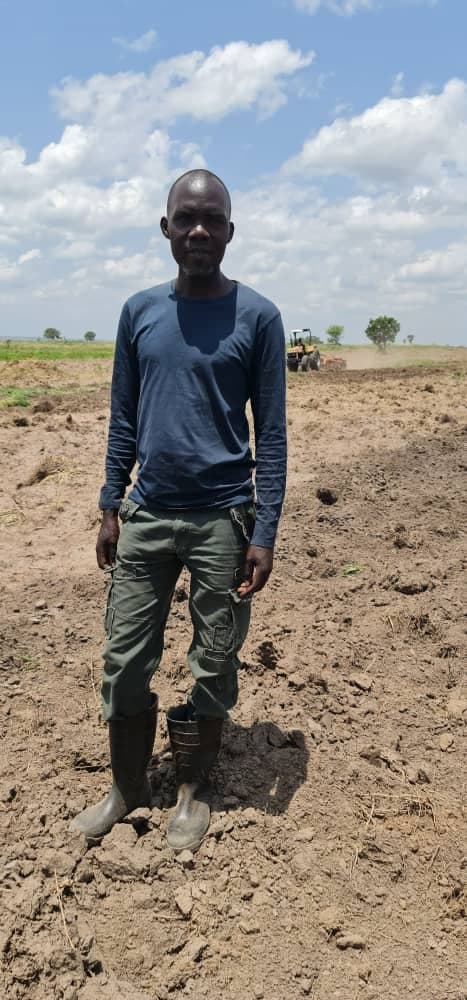
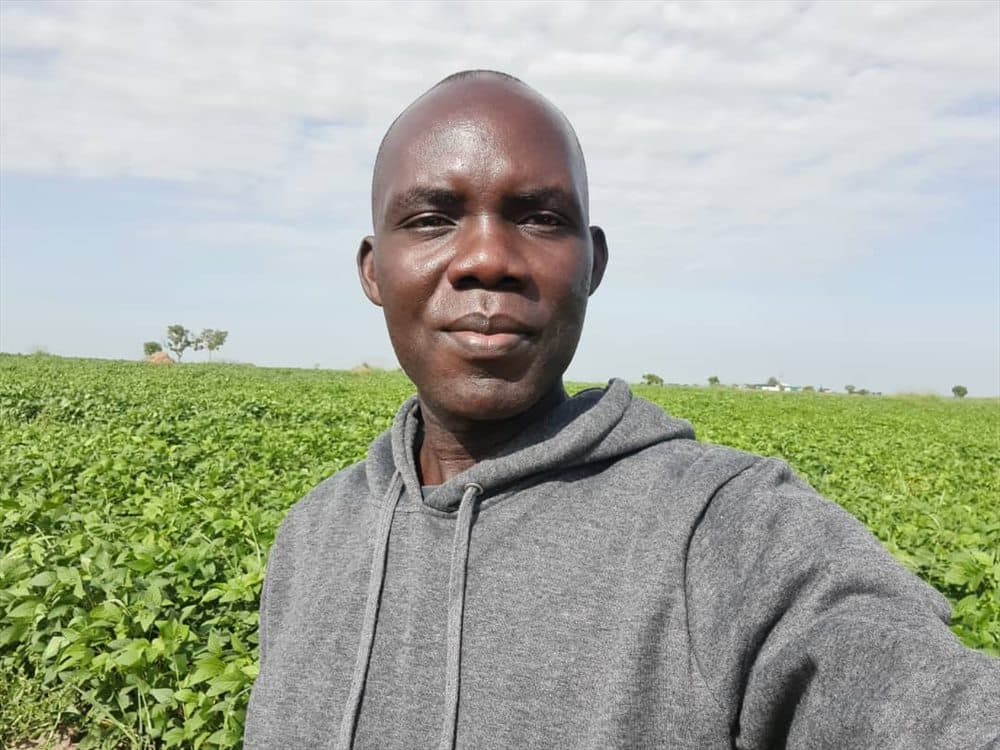
Rama is a farmer and agribusiness practitioner as well as an advocate. As a business development advisor in the sector he works with over 15,000 farmers organised into groups across the Mityana, Lango and Acholi regions on organisation, training and linkage to input suppliers, buyers and financial institutions. The legal advice is therefore written with a working knowledge of how a smallholder enterprise actually operates: what a farmer group can realistically comply with, and where an agreement will fail in practice regardless of how it reads on paper.
Who this serves
Commercial farms and agribusinesses; cooperatives, producer organisations and farmer groups; processors, input suppliers, aggregators and buyers; and organisations designing or financing agricultural programmes.

05
Community mobilisation and engagement
Community mobilisation is the practical work of bringing a community properly into a process that affects it, whether a project, an investment, a policy or a dispute, so that its position is organised, informed and capable of being heard. It includes community legal education, the design of consultation and grievance procedures, coalition-building among local organisations, and direct support to communities engaging with government or with an investor.
This has run through Rama's work throughout. He has coordinated advocacy campaigns and coalitions at national level, strengthened the institutional capacity of partner organisations, provided legal and strategic support to communities displaced from land in western Uganda, and mobilised farmer groups across central and northern Uganda. He also advises non-governmental organisations on compliance with Uganda's regulatory framework for the sector, including registration, reporting obligations and permit renewals.
Who this serves
Non-governmental and community-based organisations; development partners and programme implementers; local governments; and companies whose operations require structured, documented engagement with the communities around them.
06
Investment advisories especially in Agri-business, Alternative Dispute Resolution and Investment disputes
Investment advisory work means guiding an investor through what a proposed investment actually involves in law: the structure it should take, the approvals and licences required, the contracts underpinning it, and the legal and political risks that could affect it. In agri-business this carries particular weight, because an investment in production depends on land tenure that may be contested, on supply and off-take agreements with growers, on produce and export regulation, and on the consent of the communities where the land sits. These are questions Rama works on directly, both as an advocate and as a practitioner in the sector.
Alternative dispute resolution covers the ways a disagreement can be settled without running a full trial: negotiation, mediation, conciliation and arbitration. It is usually quicker and more private than litigation, and it leaves more room for a commercial relationship to survive the disagreement that provoked it.
Rama's particular focus is investment disputes: disagreements between investors and their partners, contractors, host communities or public authorities. At ABNO Advocates he heads the international trade and investment group, advising on responsible investment, legal and political risk, and international redress mechanisms. He has prepared briefs on the International Finance Corporation's Performance Standards, and has advised communities during World Bank-facilitated negotiations with a multinational corporation. Having worked from both sides of an investment dispute, he can read how each party is likely to approach a settlement.
Who this serves
Foreign and domestic investors; companies in contractual, shareholder or joint-venture disputes; public bodies and communities in dispute with an investor; and parties to commercial contracts that provide for mediation or arbitration.
For enquiries, please use the contact form or write directly.
Contact